
Psychological Safety Is Not Comfort. It’s the Price of High Performance.
A lot of people think psychological safety means being nice. Avoiding friction. Protecting feelings.
That’s not what it looks like in real learning environments.
Psychological safety means people can say, “I don’t know,” or “I think this is wrong,” or “I messed this up,” without paying a social price for it.
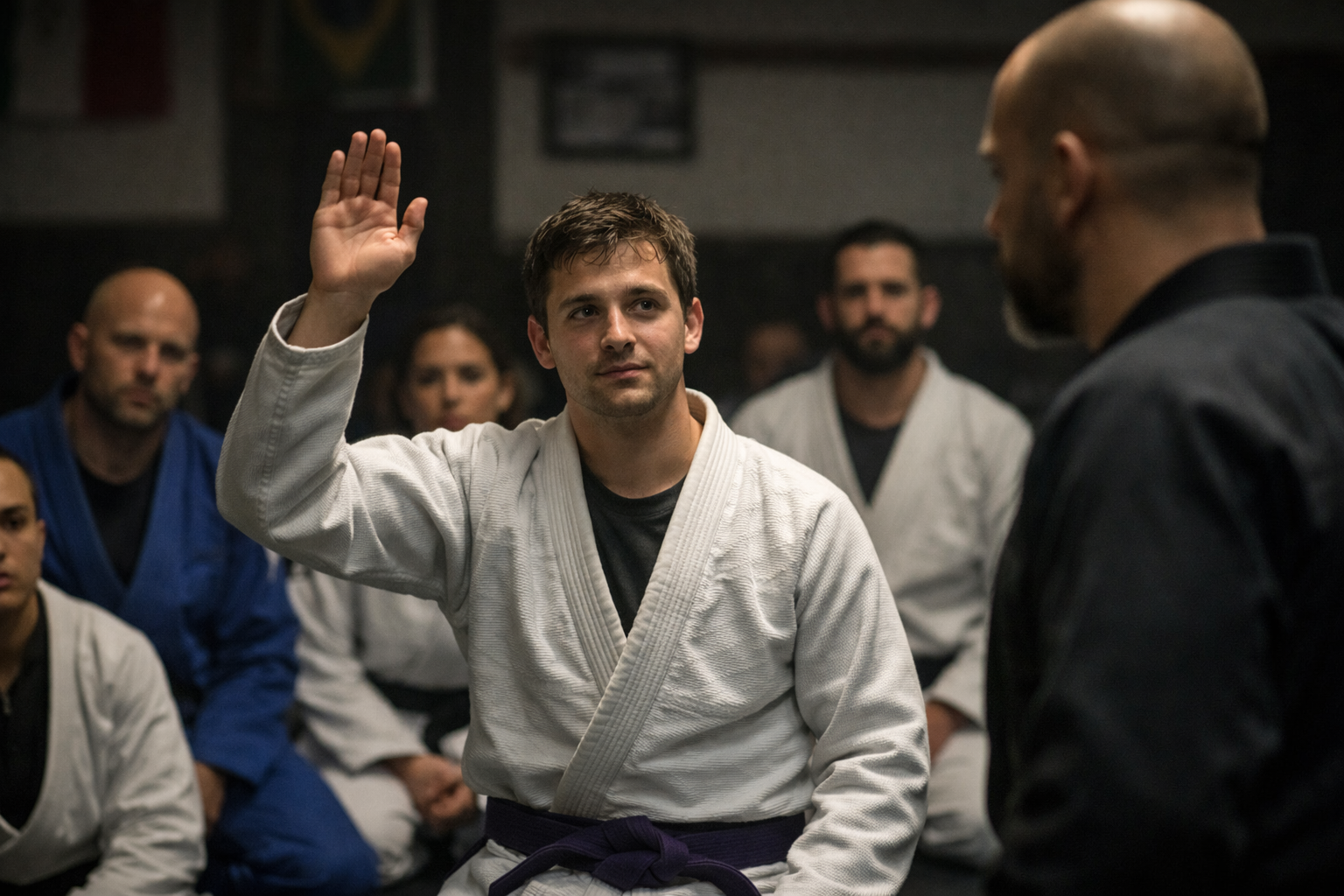
In Jiu-Jitsu, you see the difference immediately.
In some rooms, people hide. They avoid hard rounds. They avoid questions. They stick to what makes them look competent. They don’t really improve. They just protect their image.
In other rooms, people try things. They fail. They ask. They look awkward. And because of that, they actually get better.
Here’s the part that confuses people.
Psychological safety doesn’t make training softer. It makes training honest.
High performance only exists near the edge of your ability. If the environment punishes mistakes or questions, people stop exploring that edge. They play small.
The same thing happens in companies, teams, and classrooms.
Silence looks like discipline, but it’s usually fear.
And fear is expensive. It hides problems. It delays corrections. It kills progress long before it kills results.
A good academy, like a good organization, isn’t built on comfort. It’s built on a culture where it’s safe to be in the learning phase.
That’s not kindness. That’s intelligence.